Pushing 35mm Film
Recently, I pushed 35mm film.
What the heck does that mean?
I pushed film?
It’s not a living thing so it’s a little unusual saying to someone that this film was pushed. It can’t even fall over.
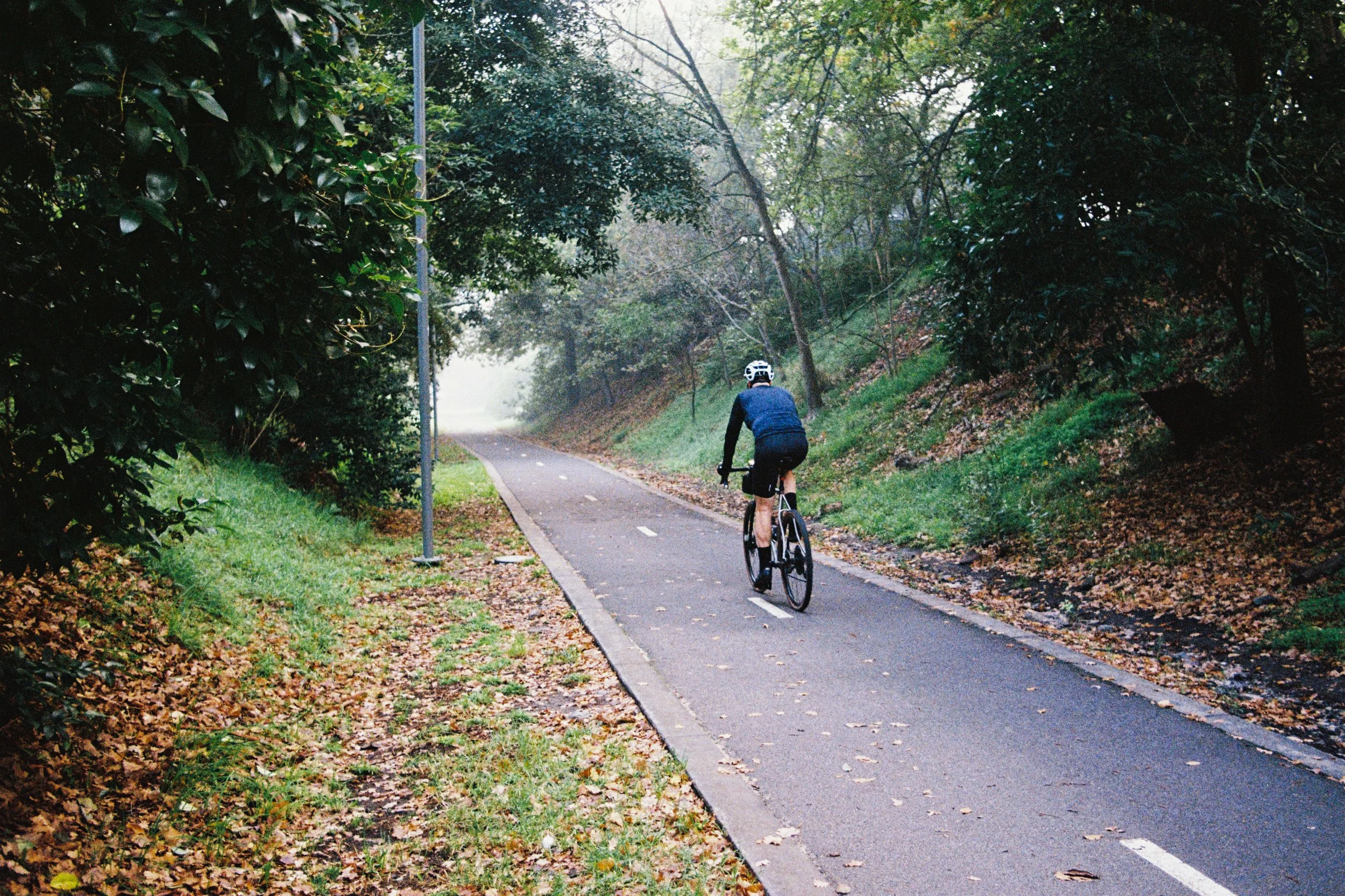
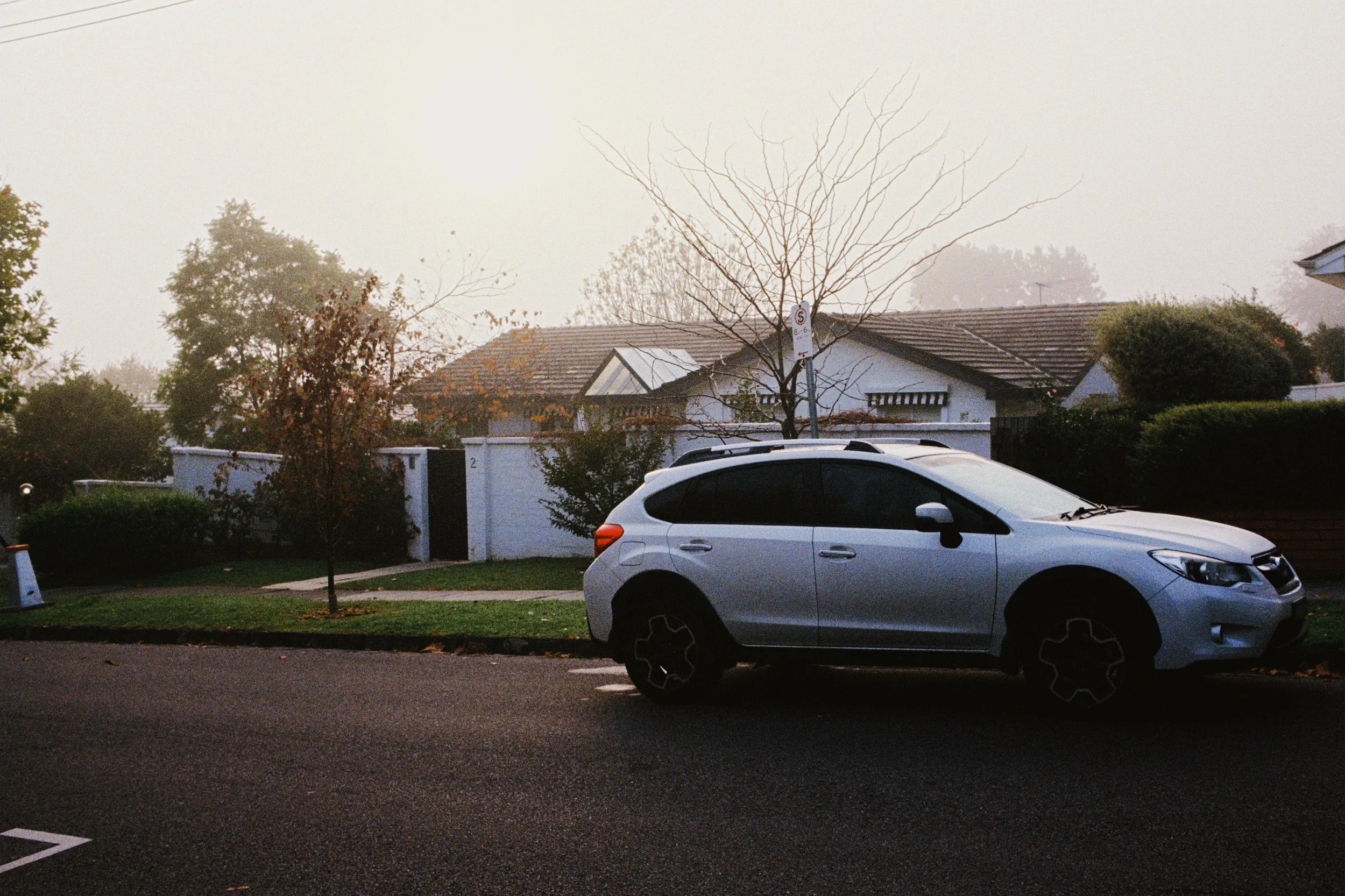
Pushing film is a photography term used to describe shooting one or two stops above the film’s recommended ASA. For example, in the images throughout this blog post, I used Fujifilm 400. This means that the film had an ASA of 400.
But, I captured it at an ASA of 800
Why would I do that?
First, we have to understand what ASA is and what it means for our images. ASA stands for “American Standards Association” and it measures a film’s sensitivity to light. If you’re reading this and you know anything about digital photography, it’s basically the same thing as ISO. For film stocks with an ASA of 100 or lower, it means they’re less sensitive to light. For film stocks with an ASA of 800 or above, it means they’re more sensitive to light. In photography, to capture an image, you need light. When you take a photo, the shutter opens, light comes rushing into the sensor and then the shutter closes. It has completed capturing a photo. In film photography the same concept applies. The shutter opens, light comes rushing in, hits the film (instead of the digital sensor) and a chemical reaction occurs. The shutter closes and voila! A photo.
Have you ever wondered why you can’t look at a film image after you’ve taken it?
It’s because you don’t want an excessive amount of light to hit the film. Ideally, when you take a film photo, you’ve let the perfect amount of light in to get a properly exposed image therefore, you don’t want anymore light to hit the film. When extra light accidentally hits the film you get light leaks or overexposed photographs. I won’t get into the actual chemical makeup of the film stocks and what happens when light comes in because it’s confusing. Even I get confused. Let’s just stick to the basics.
Photographers often push film in scenarios where there’s low light. You may walk in to an indoor or night-time environment that is incredibly dark and dim. Here, we run in to a problem that every film photographer has come across before.
“There’s not much light in here. How am I going to be able to take a decent photo?”
It’s quite simple. Push the film.
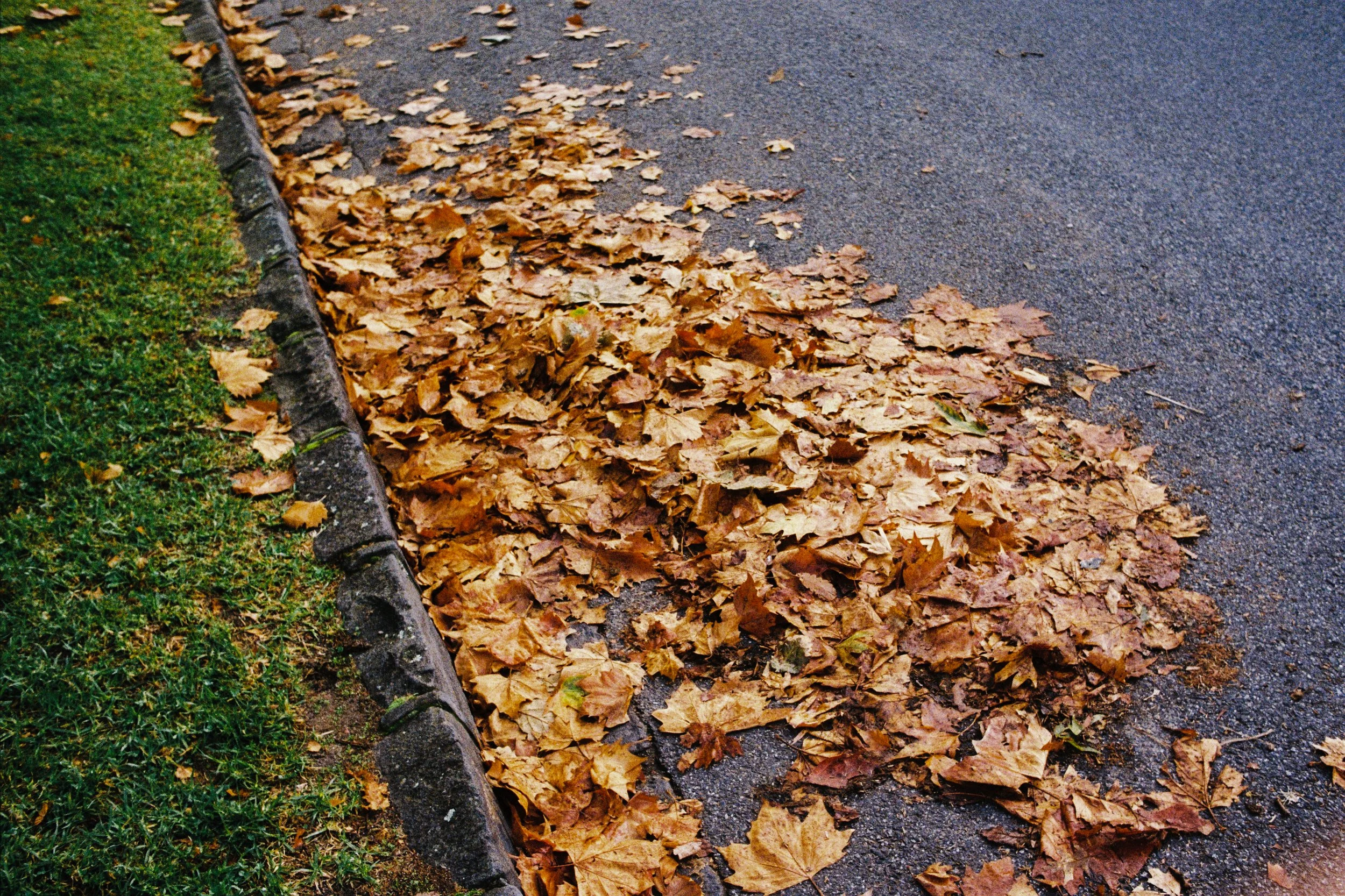
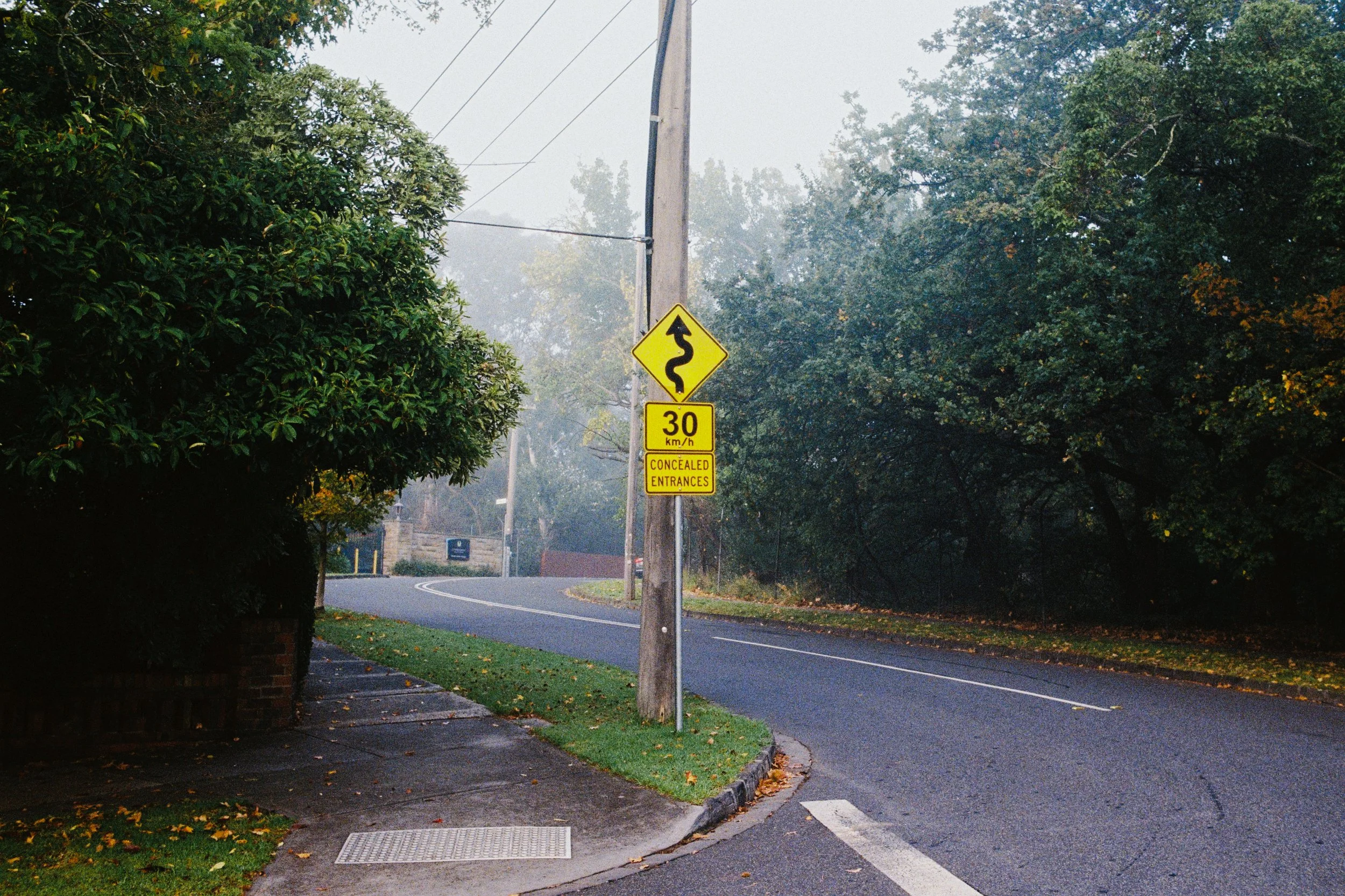
Black and White film is well suited to the pushing technique. The grain and noise goes up but the B&W film handles it well. Colour, not so much. I’ve had a lot of people tell me not to push coloured film because the results aren’t great. The colours shift, the noise is “yucky” and it simply isn’t worth it. Naturally, I decided to push a roll of coloured film.
I let my intrusive thoughts win.
Shooting at 800 instead of 400 ASA is simply an attempt to get more light. A film stock of 800 ASA is more sensitive to light compared to a 400 ASA film stock. So, in scenarios that are dark and dimly lit, you push the film to get more light. In a manual analog camera, you can set the specific ASA according the film stock your shooting. I set my camera to ASA 800 even though I was using Fuji 400. These images aren’t a very good example of a specific situation where I needed to do it. I didn’t need to which is why we’ll call this an experiment.
Upon arrival at the developing studio, I told them that I pushed the film by one stop. This step is critical as you don’t want to under develop the film. I’ve never personally developed film myself as I leave it to the professionals hence, I’ll choose not to comment on the development of film.
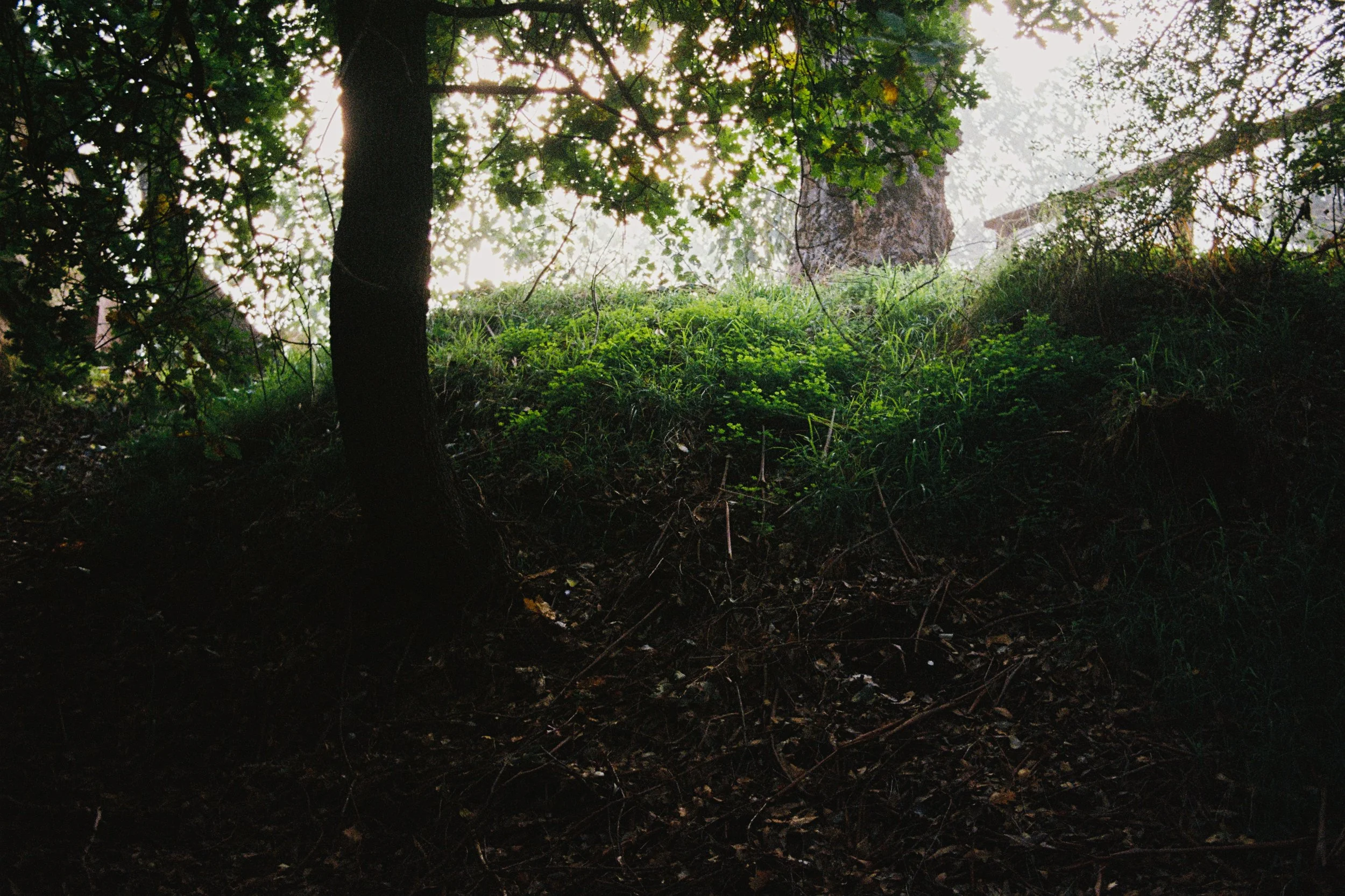
I could sit here and dissect each photo, telling you what’s correct and incorrect about pushing film but it’ll get boring so I’ll give you an activity. Three aspects of an image that it impacts is contrast, colour and grain. When you observe these images, see if you can figure out what has happened to them. If you’d like reference photos to compare, visit my Instagram here.
If you want to find out more about pushing film, visit Willem Verbeeck’s YouTube for an interesting and detailed breakdown of pushing film.
My brief summary - for the amount of extra light you get, it’s not worth it. The noise, the colour are quite skewed.
With coloured film, this technique should be used as a last resort.